
Blog
Home / Blog
What Counts as a Plumbing Emergency?
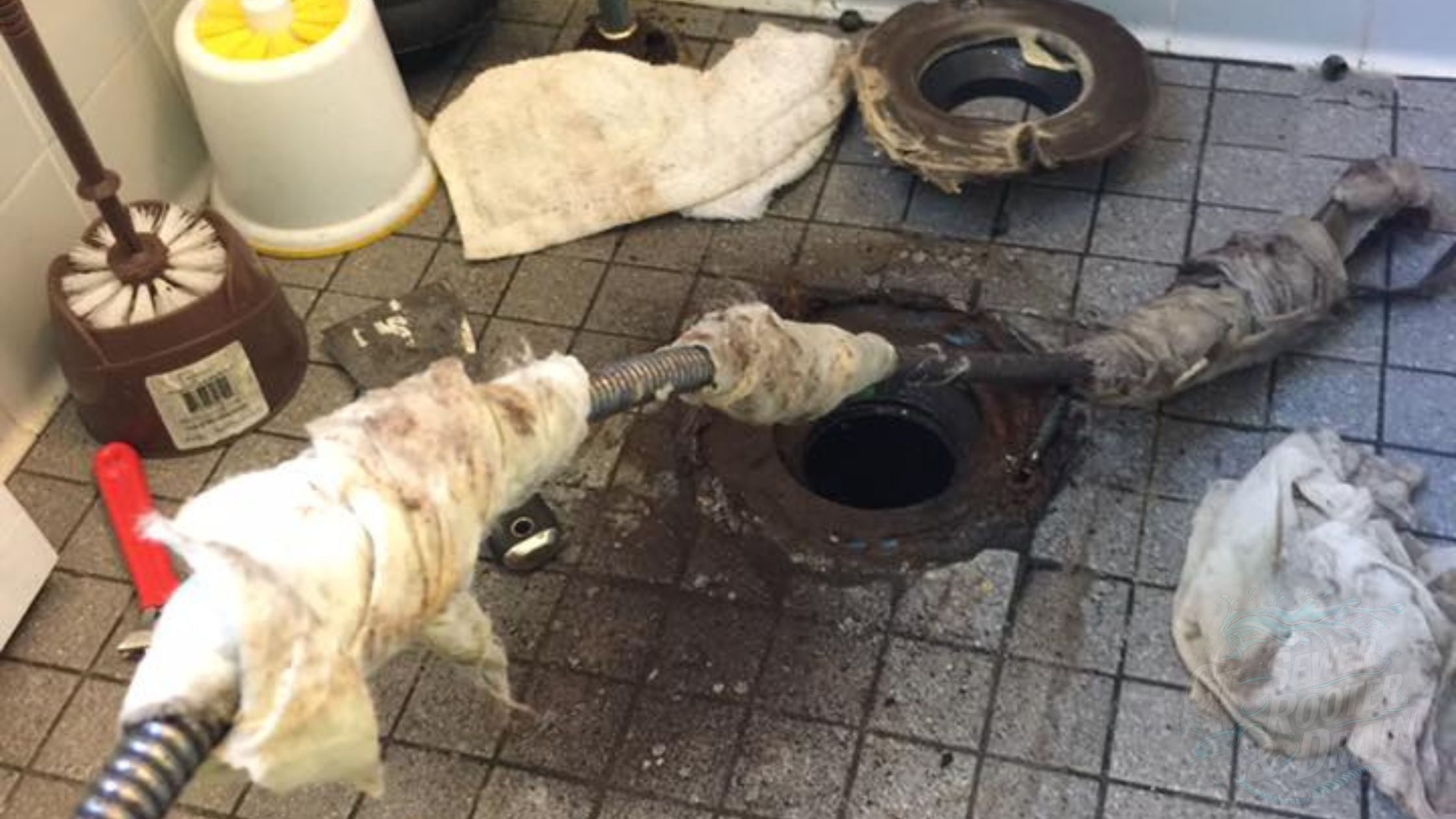
If you’re searching for emergency plumbing services in Stratford, CT, chances are you’re not doing it for fun. You’ve got water where it doesn’t belong, something smells wrong, or a toilet is threatening to overflow—and you need to know if this is a true emergency or something that can wait until morning.
As someone who deals with this stuff in real homes, with real families standing there in wet socks, my goal is simple:
Help you make a smart decision, protect your home, and avoid spending more than you need to.
What Counts as an Emergency Plumbing Service?
Here’s the basic rule I use:
If you can safely shut off the water and the problem stops, it can usually wait. If you can’t stop it, or sewage/gas is involved, it’s an emergency.
A few examples that usually can wait until morning:
- A dripping faucet
- A slow drain that’s been annoying you for weeks
- A toilet that’s clogged but not overflowing (and you have another bathroom)
Things that usually are emergency plumbing situations:
- A burst pipe you can’t isolate or don’t know how to shut off
- Sewage backing up into a toilet, tub, or floor drain
- No water or no hot water in the middle of winter (especially with kids or elderly in the home)
- Gas smells or suspected gas leaks
- An overflowing toilet that won’t stop filling
- Water pouring through a ceiling or wall
If you’re staring at a mess and not sure which category it falls into, that’s what emergency plumbing services are for. You call, describe what’s happening, and we help you decide the smartest next step.
The Most Common Emergency Plumbing Calls We Get
Around here, the emergency calls usually fall into the same few categories:
- Burst pipes – Often in winter, or from older pipes finally giving up.
- Sewage backup – Toilets won’t flush, tub fills with brown water, that “lovely” smell… you know the one.
- No hot water – Especially rough with kids, elderly family, or when it’s freezing outside.
- Gas smells – Not something to Google your way through.
- Overflowing toilets – The kind where the plunger isn’t even in the same league as the problem.
On paper, those are just bullet points. In real life, these are the nights when people are stressed, worried about damage, and trying not to make it worse.
Real-World Example: When a “Slow Drain” Turned Into a Full-Blown Emergency
Let me walk you through a real case.
A customer called because their sewer line was backing up.
They couldn’t use the toilet without it threatening to overflow. That’s not just inconvenient—that’s a health hazard.
Here’s what we did:
Diagnosed the problem with a camera
 We ran a specialized sewer camera through the line to see exactly where the pipe was clogged and what was causing it.
Found the damaged pipe
The camera showed us where the pipe was compromised underground. No guessing. No tearing up the whole yard “just to find it.”
Excavated and replaced the bad section
We dug down to the exact problem area, replaced the damaged pipe, and restored proper flow.
Verified the fix
After the repair, we ran the camera again to make sure everything was clear and flowing the way it should.
That’s the difference between “just unclogging a toilet” and solving the root problem so you’re not dealing with sewage backups over and over again.
The Biggest Mistakes People Make Before They Call
Honestly, most plumbing emergencies get worse because of what people do before they pick up the phone.
Here are a few of the greatest hits:
- Flushing things that should never meet a toilet
Tampons, paper towels, wipes labeled “flushable” (they’re really not), and kids’ toys. Your toilet is not a trash can or a toy graveyard. - Trying every chemical under the sink
Those drain cleaners can sometimes do more harm than good, especially in older pipes. They don’t fix structural problems, and they can make it more dangerous for us to work on your system. - Ignoring small warning signs
Gurgling drains, slow flushes, or that “rotten egg” smell? Those are your early warning lights on the dashboard. Ignoring them turns a $200 problem into a $2,000 one.
Good rule:
If you’ve tried a plunger once or twice and it’s not helping, stop. Anything after that usually just makes the eventual repair more expensive.
What Happens When You Call an Emergency Plumber
When you call or text 203-395-8749, here’s how I handle it.
1. I ask what the actual problem is
Not just “my toilet’s broken,” but: What exactly is happening? Is water rising? Is it sewage? Any smells? Any other fixtures affected?
2. I walk you through anything you can safely do right now
- Burst pipe? I’ll try to help you find and shut off the main.
- Overflowing toilet? I’ll have you shut off the valve behind the toilet.
The goal is to slow or stop the damage before I even get there
3. I head out – usually within about an hour
Average response time is about an hour, depending on where you are and road conditions, but I don’t sit on emergency calls.
4. I assess on-site and get to work
I don’t make big promises over the phone without seeing the “magnitude” of the problem. Once I’m there, I can give you a clear picture of what’s needed.
This way, you’re not guessing, and you’re not sitting there watching water spread through your house while you wait.
How Emergency Plumbing Is Priced (And Why I Don’t Do “Ballpark” Quotes Over the Phone)
For emergency plumbing services, I charge by the hour plus parts.
I know people hate vague pricing, so here’s why I don’t throw out numbers over the phone:
- I haven’t seen the problem yet.
- I don’t know if it’s a simple fix or hiding a much bigger issue.
- If I guess low, you’ll feel misled. If I guess high, you might delay calling and end up with more damage.
So I’m upfront about this:
I can’t give you a real number until I see the situation.
That’s how I manage expectations and keep things honest.
Why You Shouldn’t Wait: The Hidden Cost of “I’ll Deal With It Later”
One of the biggest misconceptions is, “It’s just water, it’ll dry.”
Here’s what really happens when you delay:
- Wood rots – Subfloors, framing, and cabinets can all be damaged.
- Mold forms – Moisture behind walls and under floors is mold’s favorite snack.
- Metal rusts – Fasteners, brackets, and even some fixtures start to corrode.
- Structure can be compromised – Long-term leaks can weaken structural elements.
- Repair costs skyrocket – The service call might have been a few hundred. The damage cleanup? Easily in the thousands.
So yeah, sometimes the emergency service call feels painful in the moment.
But compared to tearing out walls, replacing floors, and dealing with mold remediation? It’s usually the cheapest part of the story.
What Makes Us Different From Other Emergency Plumbers
You’ve got options. So why call us?
- We’re actually fast
We don’t treat “emergency” like “we’ll get to it whenever.” We aim to be there in about an hour when possible. - You talk to us, not an answering service
When you call, you’re not stuck explaining your situation to someone reading a script in another state. You talk to the person who’s actually going to help you. - We guarantee our work
The job isn’t done until you’re satisfied and the problem is properly fixed—not just temporarily patched. - We care about the long-term fix
I’m not trying to rack up repeat emergency calls by slapping band-aids on real issues. I’d rather solve it properly and have you call me later for maintenance or upgrades, not recurring disasters.
When You Need Emergency Plumbing Help
If you’re dealing with:
- Sewage backing up
- A pipe that won’t stop leaking
- Water where it shouldn’t be
- A gas smell
- An overflowing toilet you can’t control
Don’t sit there and hope it magically fixes itself.
You can visit our Emergency Plumber page here:
Emergency Plumbing Services – CT Sewer Rooter
👉 Or just call or text now: Tap to call if on Mobile
📞 203-395-8749
We’ll talk through what’s going on, help you stop the immediate damage if possible, and get out to you as quickly as we can.
Quick Takeaways
- If you can shut off the water and the problem stops, it usually can wait. If you can’t, it’s an emergency.
- Sewage, gas smells, and active leaks are never “wait and see” situations.
- Don’t flush wipes, tampons, paper towels, or “mystery objects” down the toilet. Your plumbing will snitch on you later.
- The cost of waiting (water damage, mold, structural issues) is almost always worse than the cost of the service call.
- You don’t have to guess alone. A quick call or text can save you thousands and a major headache.
Frequently Asked Questions
Q1: What is considered a plumbing emergency?
A plumbing emergency is any situation where you can’t safely stop the water, or where sewage or gas is involved. Burst pipes, sewer backups, gas smells, and overflowing toilets that won’t stop are all emergencies.
Q2: When can a plumbing problem wait until morning?
If you can shut off the water and the problem stops—like a dripping faucet or a slow drain—it usually can wait until normal business hours.
Q3: How quickly can an emergency plumber get to my home in Stratford, CT?
Our average emergency response time is about one hour, depending on your location and road conditions.
Q4: How much do emergency plumbing services cost?
We charge by the hour plus parts for emergency calls. We don’t give “ballpark” prices over the phone because every situation is different and we want to manage expectations honestly.
Q5: What should I do while waiting for the emergency plumber to arrive?
If possible, shut off the main water valve or the valve to the affected fixture. Avoid flushing toilets or running water, and keep people and pets away from any standing water or sewage.
0 Comments